Connected device management is revolutionizing how we interact with smart home technology. Ayla Networks has launched a Dealer Hub to streamline this process for dealers and facility managers.
What is Connected Device Management?
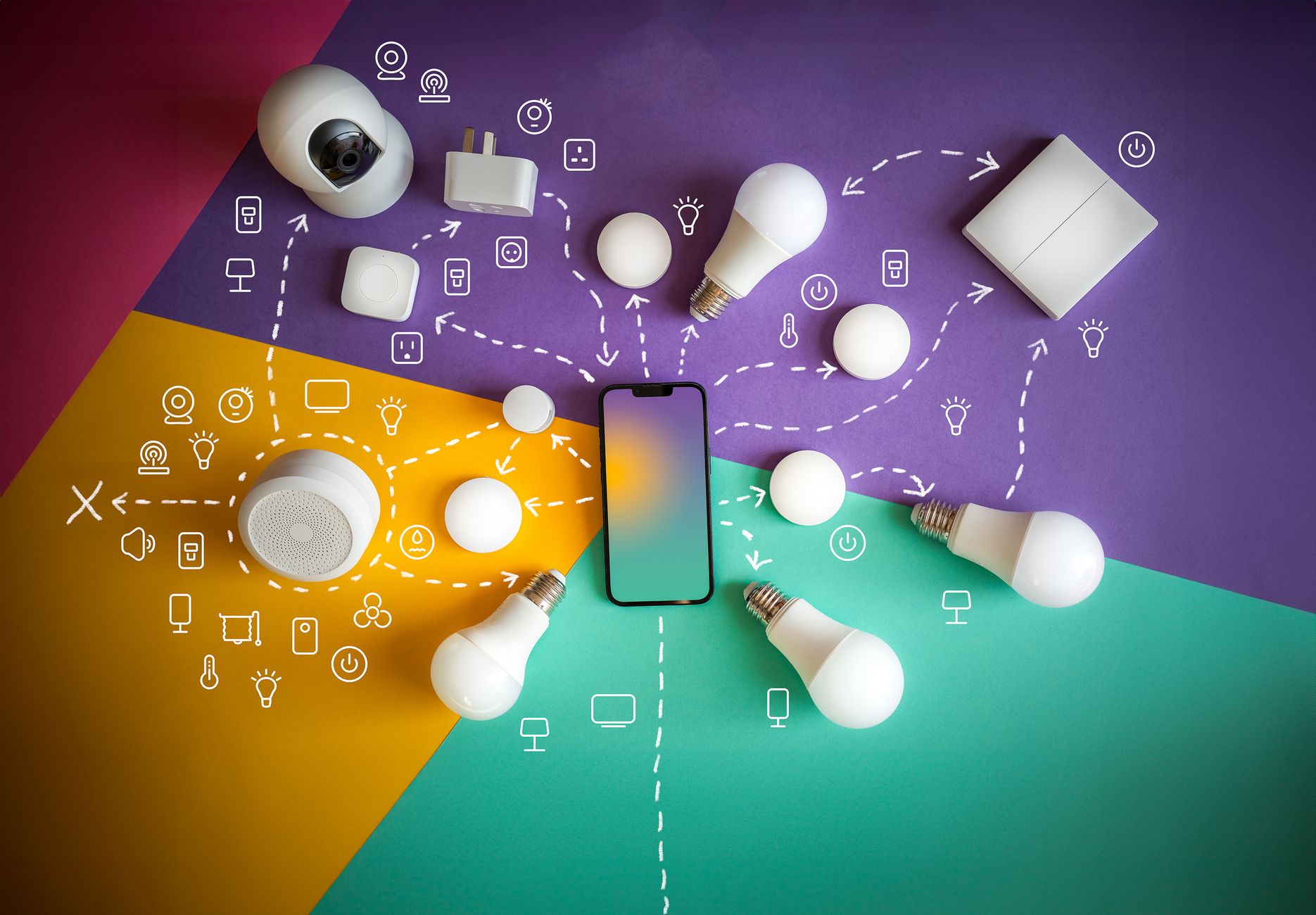
Connected device management refers to the process of overseeing and controlling various devices that are interconnected through a network. This approach enables organizations to efficiently manage their devices, ensuring optimal performance, security, and data integrity. With the proliferation of IoT devices, the importance of connected device management has grown significantly.
In essence, connected device management encompasses several key functions:
- Device Monitoring: Keeping track of device status and performance in real-time.
- Security Management: Implementing measures to protect devices from unauthorized access and potential threats.
- Data Analytics: Analyzing data generated by devices to improve operations and inform decision-making.
- Remote Control: Enabling remote access and management capabilities for devices across different locations.
The benefits of connected device management can be substantial, particularly for industries that rely heavily on technology. By streamlining operations and enhancing security, organizations can achieve greater efficiency and drive innovation in their respective fields.
Benefits of Using Ayla Networks
Ayla Networks offers a comprehensive approach to connected device management, catering specifically to the needs of dealers, facility managers, and property portfolios. By leveraging their innovative platform, users can experience a multitude of benefits that streamline operations and enhance device performance.
Some key advantages include:
- Scalability: The platform is designed to grow with your business, allowing for easy integration of new devices and services as needed.
- Improved Efficiency: Automated processes reduce manual tasks, enabling teams to focus on higher-value activities.
- Enhanced Security: Ayla Networks prioritizes data protection with robust security measures, ensuring that connected devices remain safe from vulnerabilities.
- User-Friendly Interface: The intuitive dashboard simplifies device management, making it accessible for users of all technical backgrounds.
- Real-Time Analytics: Gain insights into device performance and user behavior, allowing for proactive decision-making and optimization.
These benefits illustrate why Ayla Networks is becoming a leading choice for effective connected device management.
How the Dealer Hub Works
The Dealer Hub from Ayla Networks simplifies connected device management for dealers, facility managers, and property portfolios. This innovative platform offers an intuitive interface that streamlines the management of various connected devices, ensuring that users can easily monitor and control their networks.
Key features of the Dealer Hub include:
- Centralized Control: Users can manage multiple devices from a single dashboard, enhancing efficiency and reducing the time spent on device oversight.
- Real-Time Monitoring: The platform provides instant feedback on device performance, allowing users to address issues promptly and optimize operations.
- Scalable Solutions: Whether managing a few devices or a large portfolio, the Dealer Hub can scale to meet the needs of any operation.
- Comprehensive Analytics: Users gain insights into device usage patterns, enabling data-driven decisions to improve service delivery.
With the Dealer Hub, Ayla Networks aims to revolutionize connected device management, making it easier for users to harness the full potential of their connected environments.
Impact on Facility Managers
The rise of connected device management has significantly impacted facility managers, transforming how they operate and maintain their properties. With the implementation of advanced technologies, these managers can now monitor and control devices remotely, leading to increased efficiency and reduced operational costs.
One of the primary advantages for facility managers is the ability to gain real-time insights into energy consumption and equipment performance. This data allows for proactive maintenance, minimizing downtime and preventing costly repairs. Additionally, connected device management facilitates better resource allocation, enabling managers to optimize staffing and operational budgets.
Furthermore, the integration of connected devices enhances security measures within facilities. By employing smart surveillance systems and access controls, facility managers can ensure a safer environment for tenants and visitors alike. As the landscape of property management evolves, embracing connected device management becomes essential for those looking to stay competitive.
In summary, the transition to connected device management not only streamlines facility operations but also empowers managers to make informed decisions, ultimately leading to improved outcomes for their properties.
Advantages for Property Portfolios
Connected device management offers significant advantages for property portfolios, enhancing both operational efficiency and tenant satisfaction. By integrating smart devices, property managers can monitor and control various systems, leading to improved energy management and reduced costs.
Some key benefits of connected device management for property portfolios include:
- Centralized Control: Property managers can oversee multiple devices from a single platform, streamlining operations and reducing the complexity of managing disparate systems.
- Enhanced Security: Implementing connected devices allows for real-time monitoring and alerts, increasing the safety and security of the property.
- Data-Driven Insights: Access to analytics helps property managers make informed decisions regarding maintenance and upgrades, ultimately leading to better resource allocation.
- Improved Tenant Experience: Smart technologies can enhance comfort and convenience for tenants, fostering higher satisfaction and retention rates.
Overall, leveraging connected device management provides property portfolios with the tools necessary to thrive in an increasingly tech-driven marketplace.
User Experience with Connected Devices
The user experience with connected devices has significantly improved thanks to advancements in connected device management. By streamlining the integration and control of various devices, users can enjoy a seamless interaction with their technology. Connected device management platforms allow for centralized monitoring, making it easier for users to manage multiple devices from a single interface.
Many users report higher satisfaction levels due to the following factors:
- Simplified Control: Users can easily adjust settings and configurations without needing extensive technical knowledge.
- Enhanced Security: With built-in security features, users feel more confident in their connected devices, knowing that their data is protected.
- Real-Time Updates: Instant notifications and updates help users stay informed about their devices’ status, leading to quicker responses to any issues.
- Improved Efficiency: Automated processes reduce the need for manual input, allowing users to focus on other important tasks.
As a result, connected device management not only enhances the user experience but also fosters greater engagement with technology in everyday life.
Future of Smart Home Technology
The future of smart home technology is poised for transformative changes, largely driven by advancements in connected device management. As households increasingly integrate smart devices, managing these devices efficiently becomes paramount. Gone are the days of handling each device in isolation; the focus now shifts to seamless interoperability and centralized control.
Emerging trends indicate a rise in the use of artificial intelligence and machine learning to enhance connected device management. These technologies can analyze user behaviors and preferences, leading to more personalized experiences. For instance, smart thermostats can learn a homeowner’s schedule, optimizing energy use without manual intervention.
Moreover, the growing emphasis on security will shape future developments. With more devices connected to the internet, robust security protocols will be essential to protect user data. Companies like Ayla Networks are at the forefront of this evolution, offering solutions that simplify the management of connected devices while ensuring user safety.
As smart homes become more sophisticated, the importance of connected device management will be undeniable, paving the way for enhanced convenience and innovation in everyday living.
Getting Started with Ayla Networks
Getting started with Ayla Networks is a straightforward process, designed to help businesses seamlessly integrate connected device management into their operations. First, users need to sign up for an account on the Ayla Networks platform. This allows access to a collection of tools specifically tailored for managing a wide variety of connected devices.
Once registered, users can explore the intuitive dashboard, which provides a comprehensive overview of their device network. Key features include:
- Device Onboarding: Quickly add new devices to your network with guided setup processes.
- Remote Monitoring: Access real-time data and performance metrics for all connected devices.
- Automated Alerts: Set up notifications for device malfunctions or maintenance needs.
For those unsure about the transition, Ayla Networks offers extensive support resources, including tutorials and customer service. With a focus on enhancing operational efficiency, Ayla’s connected device management solutions are tailored to meet varying business needs, making it an ideal choice for dealers and facility managers alike.
Photo by Jakub Zerdzicki on Pexels