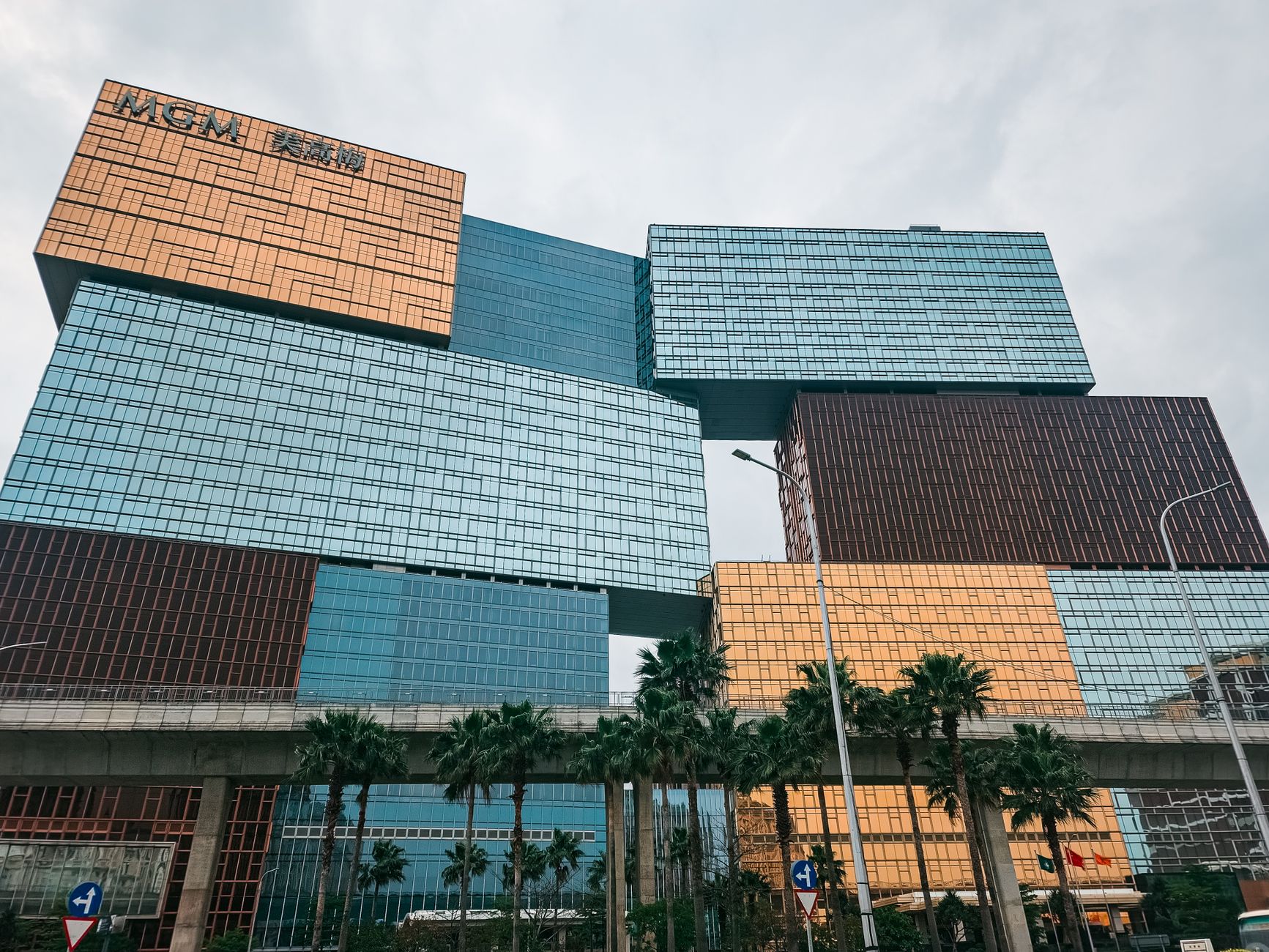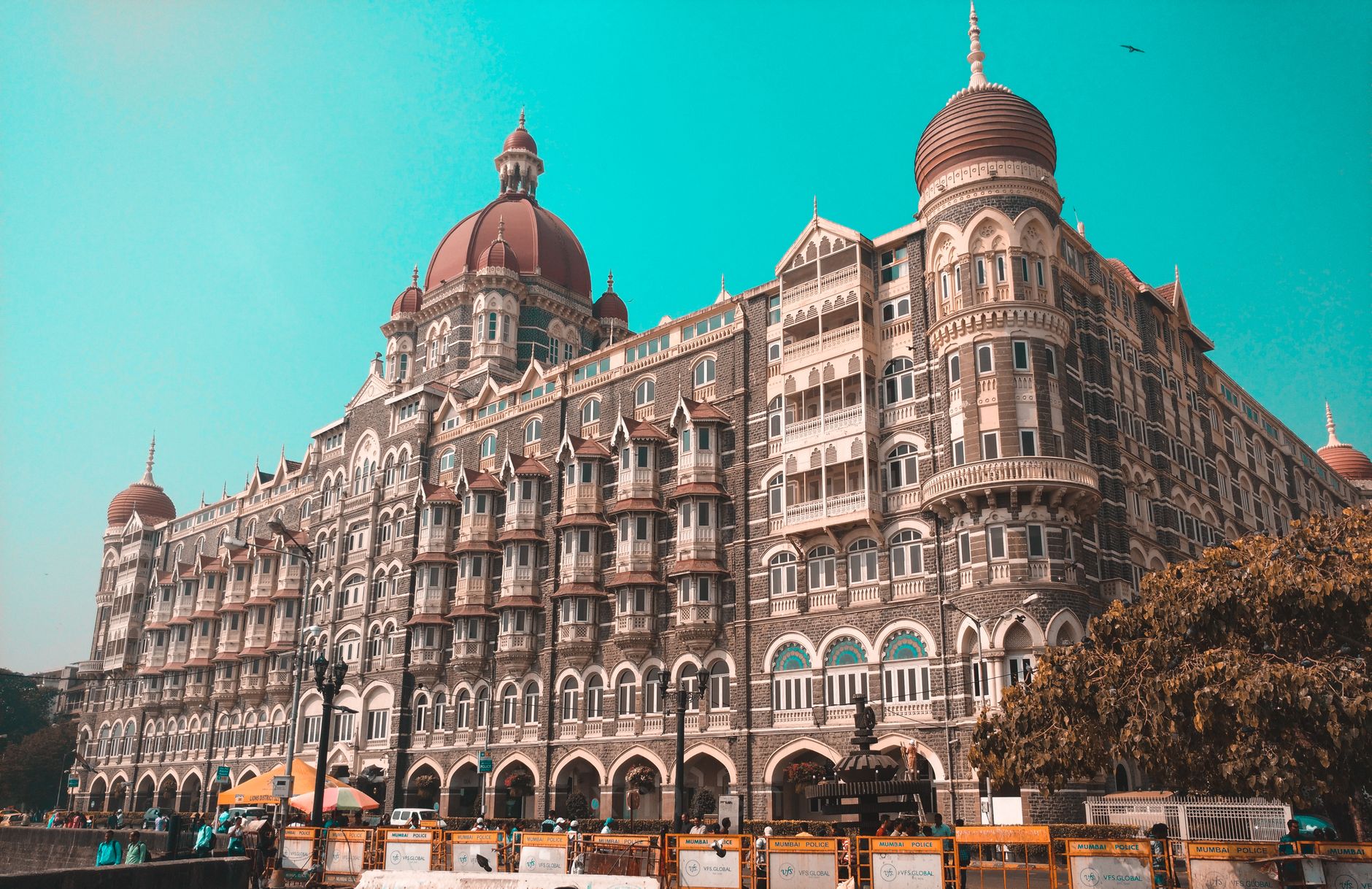
hotel expansion South India is becoming a significant trend as businesses seek to tap into this growing market. With a focused strategy, companies like House of Jolly are making their mark.
Overview of Hotel Expansion in South India
The hotel industry in South India is experiencing a significant transformation as various brands look to capitalize on the growing demand for travel and hospitality. The recent expansion strategies adopted by several hotel chains indicate a robust optimism about the region’s potential for growth.
One prominent player, House of Jolly, has announced its commitment to expanding its footprint in South India. This move is expected to not only enhance their brand presence but also contribute to the local economy by creating job opportunities and boosting tourism.
Key factors driving this hotel expansion in South India include:
- Increasing Domestic Travel: With more people exploring local destinations, the need for quality accommodations has surged.
- Tourism Growth: South India is known for its rich cultural heritage and natural beauty, attracting both domestic and international tourists.
- Investment in Infrastructure: Improved infrastructure and connectivity are making it easier for travelers to access various regions.
Overall, the hotel expansion in South India seems to be a promising avenue for growth and development in the hospitality sector.
Why South India is Attracting Hotel Investments
The region of South India has become a hotspot for hotel investments, drawing attention from various hospitality brands looking to expand their footprint. Several factors contribute to this trend.
- Tourism Growth: South India is renowned for its rich cultural heritage, diverse landscapes, and historical sites, making it a prime destination for both domestic and international tourists.
- Infrastructure Development: Ongoing improvements in transportation and connectivity have made travel within the region more accessible, enhancing its attractiveness for hotel expansion.
- Economic Growth: With a booming economy and rising disposable incomes, there is an increasing demand for quality accommodation and hospitality services.
- Business Opportunities: Major cities like Bangalore, Chennai, and Hyderabad are emerging as business hubs, leading to an influx of corporate travelers seeking reliable lodging options.
- Government Initiatives: Supportive policies and incentives provided by local governments further encourage hotel investments, making South India a viable option for expansion.
All these factors combined make hotel expansion in South India an appealing strategy for growth in the hospitality sector.
House of Jolly’s Strategy for Growth
House of Jolly, a prominent player in the hospitality industry, is implementing a robust strategy for growth through its hotel expansion in South India. The company aims to enhance its footprint by targeting key cities that show significant potential for tourism and business travel.
As part of its growth strategy, House of Jolly has outlined several key initiatives:
- Diverse Offerings: The company plans to introduce a range of hotel types, catering to different segments, from luxury resorts to budget-friendly accommodations.
- Local Partnerships: Collaborating with local businesses and tourism boards to create unique experiences for guests, thereby boosting regional economies.
- Sustainability Focus: Emphasizing eco-friendly practices in new developments to appeal to the growing demand for sustainable tourism.
- Technology Integration: Investing in smart technology to enhance guest experiences and streamline operations.
This strategic approach reflects House of Jolly’s commitment to thriving in the competitive landscape of hotel expansion in South India.
Impact on Local Communities and Tourism
The recent hotel expansion in South India has raised both excitement and concern among local communities and tourism stakeholders. While the influx of new hotels promises to boost the economy, it also poses challenges that need careful consideration.
Local residents are optimistic about the job opportunities that these new establishments are expected to create. However, there are worries about the impact on cultural heritage and community dynamics. As hotels expand, the risk of commercialization of traditional practices increases, which may lead to a loss of identity.
Moreover, tourism can have both positive and negative effects. On one hand, increased foot traffic can enhance local businesses, from artisans to restaurants. On the other hand, it can strain resources and infrastructure, leading to overcrowding and environmental concerns.
Stakeholders must work together to establish sustainable practices that benefit both the hotel expansion in South India and the local communities. By fostering collaboration, it is possible to strike a balance that promotes growth while preserving the unique character of the region.
Challenges Faced in Hotel Expansion
The recent hotel expansion in South India has not been without its challenges, raising questions about sustainability and long-term viability. Key issues include:
- Regulatory Hurdles: Navigating the complex web of local regulations and obtaining necessary permits can delay projects and inflate costs.
- Environmental Concerns: Rapid expansion often leads to concerns about environmental degradation, prompting backlash from local communities and activists.
- Market Saturation: With numerous hotels entering the market, there is a risk of oversupply, which can affect occupancy rates and profitability.
- Labor Shortages: Finding and retaining skilled labor in the hospitality sector remains a persistent challenge, impacting service quality.
- Infrastructure Limitations: Inadequate transportation and utility infrastructure in some regions can hinder the successful operation of new hotels.
These challenges pose significant questions regarding the potential impact of hotel expansion in South India and whether it truly represents the best move for growth in the region.
Future Trends in the Hospitality Sector
The hospitality sector in South India is poised for significant transformation as trends shift towards sustainable and technology-driven solutions. With the ongoing hotel expansion in South India, developers are increasingly embracing eco-friendly practices and smart technologies to enhance guest experiences.
Several key trends are expected to shape the future of this industry:
- Sustainability: Hotels are adopting green practices, including energy-efficient designs and waste reduction initiatives, to appeal to environmentally conscious travelers.
- Technology Integration: The use of mobile check-ins, contactless services, and AI-driven customer service is becoming standard, providing convenience and efficiency.
- Local Experiences: There is a growing emphasis on offering authentic local experiences, which attracts tourists seeking to immerse themselves in South India’s rich culture.
- Health and Safety: Post-pandemic, hotels are implementing stringent health protocols, ensuring guests feel safe and secure during their stay.
These trends indicate that the hotel expansion South India is not just about increasing capacity, but also about enhancing the overall guest journey.
The recent trend of hotel expansion South India has sparked debate among industry experts regarding its potential impact on local economies. As tourism in the region continues to grow, many believe that hotel expansion South India could provide much-needed infrastructure and job opportunities.
Photo by HARSH on Pexels