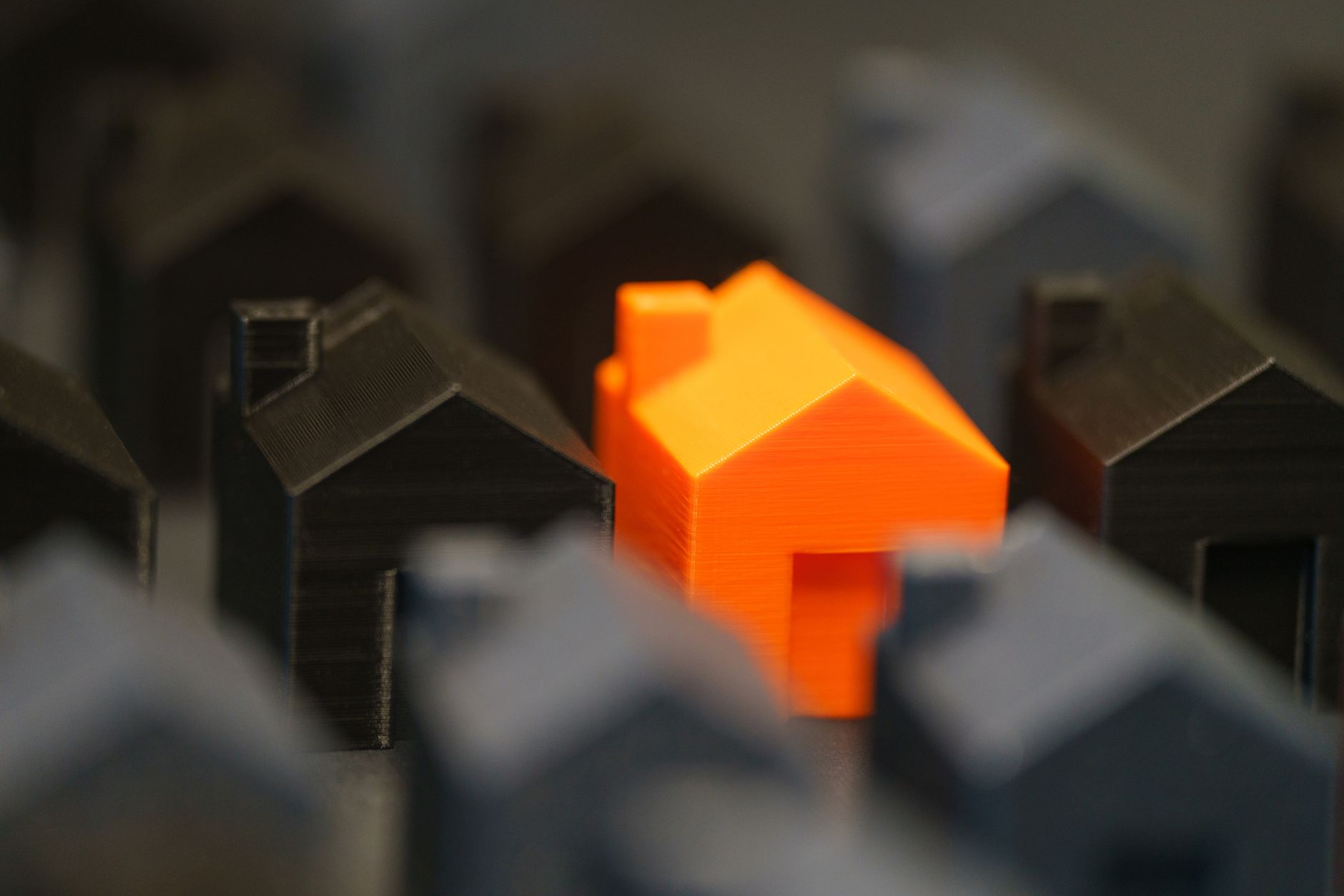
stable housing prices are increasingly found in small cities across the country, providing residents with affordable living options. This trend is reshaping the real estate landscape, making these locations more appealing for homebuyers.
Understanding Stable Housing Prices
As the housing market experiences fluctuations, understanding the concept of stable housing prices becomes essential for potential homebuyers and investors. Stable housing prices imply that the cost of homes in a particular area remains consistent over a period, indicating a balanced market with a steady demand and supply.
Several factors contribute to the stability of housing prices in a city, including:
- Economic Growth: Cities with diverse job opportunities and low unemployment rates often witness less volatility in housing prices.
- Population Trends: Areas that attract residents due to quality of life, education, and amenities tend to maintain stable housing prices, as demand remains steady.
- Urban Development: Investments in infrastructure and local services can enhance a city’s appeal, leading to a stable market.
- Interest Rates: Low and stable interest rates encourage home buying, contributing to price stability.
For many, finding a city with stable housing prices is crucial for achieving long-term financial security. It allows homeowners to build equity without the fear of sudden price drops. Moreover, cities with consistent pricing often provide affordable living options, enabling families to thrive without the burden of financial strain. Therefore, understanding the dynamics behind stable housing prices can guide individuals towards making informed decisions in their housing journey.
Top Small Cities with Stable Prices
As the search for affordable living intensifies, many individuals are turning their eyes toward small cities that boast stable housing prices. These locations offer not only affordable real estate options but also a vibrant community life and access to essential amenities.
Here are some of the top small cities recognized for maintaining stable housing prices:
- Austin, Texas: Known for its music scene and tech industry, Austin has managed to keep its housing prices relatively stable while attracting a diverse population.
- Boise, Idaho: This charming city combines outdoor activities with a strong sense of community, all while offering housing options that remain accessible.
- Raleigh, North Carolina: With its excellent educational institutions and thriving job market, Raleigh provides a stable housing environment that appeals to families and young professionals alike.
- Fargo, North Dakota: Emphasizing community engagement and outdoor lifestyles, Fargo has seen stable housing prices, making it an attractive option for newcomers.
- Fort Collins, Colorado: With its stunning natural scenery and cultural attractions, Fort Collins continues to offer stable housing prices amid growing interest.
Choosing to reside in these small cities not only leads to affordable living but also promises a quality of life that many seek in today’s fast-paced world.
Factors Influencing Housing Stability
Several factors contribute to the stability of housing prices in various regions. Understanding these elements can help potential buyers make informed decisions and identify the best locations for affordable living.
- Economic Growth: Cities with a stable job market and strong economic growth tend to experience stable housing prices. A diverse economy can protect against market fluctuations.
- Population Trends: A steady or growing population can indicate a demand for housing, which helps maintain stable housing prices. Conversely, cities with declining populations may see price volatility.
- Interest Rates: Low and stable interest rates can encourage home buying and contribute to price stability. When borrowing costs are low, more individuals are likely to enter the market.
- Local Policies: Zoning laws and housing regulations can impact the availability of homes and influence price stability. Cities that promote affordable housing development tend to have more consistent prices.
- Infrastructure Development: Investment in public infrastructure, such as transportation and schools, can enhance a city’s appeal, leading to stable housing prices as demand increases.
By considering these factors, homebuyers can better understand the dynamics at play in their desired locations, ultimately leading to more informed choices in their pursuit of stable housing prices.
The Benefits of Living in Small Cities
Living in small cities offers numerous advantages, particularly when it comes to stable housing prices. Residents in these areas often find themselves enjoying a higher quality of life combined with affordability. Here are some key benefits:
- Cost of Living: Small cities generally have a lower cost of living compared to larger urban areas. This reduction in expenses allows residents to allocate their budgets effectively and enhance their overall financial stability.
- Community Feel: Smaller cities often foster a strong sense of community. Residents are more likely to know their neighbors and participate in local events, creating a supportive environment.
- Access to Nature: Many small cities are located near natural landscapes, providing opportunities for outdoor activities such as hiking, biking, and fishing. This connection to nature can greatly improve mental well-being.
- Stable Housing Market: With stable housing prices, residents can enjoy the peace of mind that comes from knowing their investment is secure. This stability encourages homeownership and long-term living arrangements.
- Local Economy: Small cities often boast unique local businesses and markets, contributing to a diverse economy. Supporting these businesses strengthens the community and can lead to job creation.
In summary, the benefits of living in small cities with stable housing prices make them attractive options for those seeking affordable living without sacrificing quality.
Real Estate Trends to Watch
As the real estate market continues to evolve, several trends are emerging that could influence stable housing prices in the coming years. Understanding these trends is crucial for potential homebuyers and investors alike.
- Remote Work Flexibility: The rise of remote work has led many individuals to seek affordable living options outside major urban centers. This shift can result in a more balanced demand for housing in smaller cities, helping to maintain stable housing prices.
- Increased Demand for Sustainable Living: Cities that prioritize eco-friendly initiatives and sustainable development are gaining popularity. This trend may stabilize housing prices as more buyers look for homes in environmentally conscious communities.
- Shift in Buyer Preferences: Many prospective homeowners are prioritizing amenities like outdoor spaces and community features. This change in preference can lead to stable housing prices in cities that provide attractive living environments.
- Interest Rates and Economic Factors: The current economic climate, including interest rates and inflation, continues to impact home buying decisions. However, cities with strong local economies and job growth may experience less volatility, contributing to stable housing prices.
As these trends unfold, keeping an eye on the shifting landscape of real estate will be essential for those looking to invest in or relocate to cities with stable housing prices.
How to Find Affordable Homes
Finding affordable homes in today’s market can be a daunting task, especially in areas where housing prices fluctuate significantly. However, understanding where to look can make all the difference. Here are some strategies to help you locate homes in cities with stable housing prices:
- Research Local Markets: Begin by researching various cities known for their affordable living. Look for places where housing prices have remained stable over the years, as these areas often indicate a healthy real estate market.
- Utilize Online Tools: Websites like Zillow, Realtor.com, and local real estate listings provide valuable insights into current housing prices and trends. Set filters for your budget and desired features to narrow down your search.
- Connect with Local Realtors: A knowledgeable realtor can offer insights into neighborhoods with stable housing prices and help you navigate the buying process effectively.
- Attend Open Houses: Visiting open houses in your target areas allows you to get a feel for the market and see what your budget can afford. This direct exposure can also help you identify price trends in specific neighborhoods.
- Consider Up-and-Coming Areas: Sometimes, the best opportunities lie in cities that are just beginning to gain popularity. Look for areas with stable housing prices but potential for growth.
With these tips, you can increase your chances of finding a home that fits your budget in a city with stable housing prices.
Expert Insights on Market Stability
According to real estate experts, stable housing prices are crucial for maintaining affordable living conditions in small cities. These prices not only ensure that residents can invest in their homes without the fear of sudden depreciation but also attract new buyers who are looking for stable markets.
“When we talk about market stability, we refer to the balance between supply and demand,” says Jessica Turner, a local real estate analyst. “In cities where housing prices are stable, we often see a consistent demand for homes, which can lead to a more sustainable economy.”
Furthermore, experts emphasize the importance of local employment opportunities in maintaining stable housing prices. Cities that offer diverse job options tend to retain residents, thereby supporting local real estate markets. Turner adds, “It’s not just about the homes; it’s about the community and the economy behind them.”
In addition to economic factors, Turner highlights the role of community engagement. “Active community participation can help foster an environment where housing prices remain stable. Residents who are involved in local governance often advocate for policies that protect housing affordability.”
In summary, market stability is a multifaceted issue influenced by economic, social, and community factors. For those seeking affordable living, focusing on cities with stable housing prices is a smart approach, ensuring both a home and a sense of belonging.
Future Predictions for Housing Prices
As we look ahead, the future of stable housing prices remains a topic of interest for potential homebuyers and investors alike. Economic indicators, alongside demographic trends, offer insights into how housing markets may evolve over the coming years.
Experts suggest that cities with a history of stability are likely to continue seeing consistent housing prices. Demand for affordable living in smaller urban areas is expected to rise as remote work becomes more commonplace, allowing families to seek homes in regions with lower costs of living.
Key factors that may influence the future of housing prices include:
- Population Growth: Areas experiencing an influx of residents often see a steady demand for homes, which can contribute to stable prices.
- Job Market Stability: Cities with robust job markets tend to maintain their housing values, as employment opportunities attract more residents.
- Interest Rates: Fluctuations in mortgage rates can impact buying power, potentially influencing housing prices over time.
- Government Policies: Local policies aimed at encouraging housing development can support market stability by increasing supply.
Overall, while predicting specific price movements can be challenging, many analysts believe that areas focusing on sustainable growth and community development will continue to experience stable housing prices, making them ideal locations for those seeking affordable living options.
Photo by Jakub Zerdzicki on Pexels
Sources
Related reading
Apple Smart Home Products: Best New Launches You Need · Price Revision Real Estate: Smart Strategies for Buyers · MGM Osaka casino training: Proven partnership for dealers