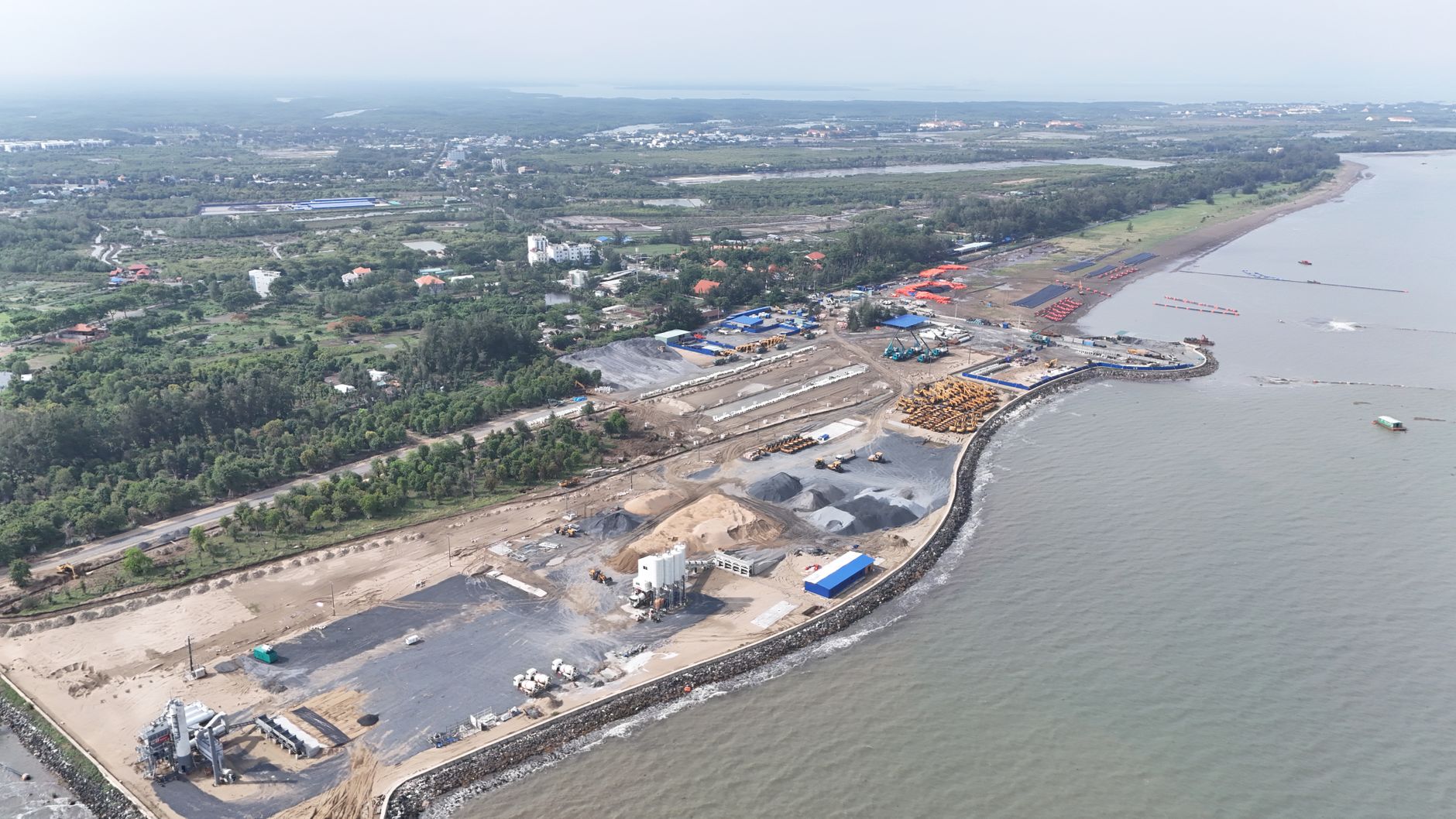
Connectivity projects sovereignty are at the forefront of discussions as Rajnath Singh emphasizes their importance during the recent SCO meet. His call for respect for national sovereignty highlights a crucial balance in infrastructure development.
Overview of the SCO Meet
The recent Shanghai Cooperation Organization (SCO) meet highlighted the crucial link between connectivity projects and national sovereignty. Defense Minister Rajnath Singh emphasized the need for initiatives that promote regional integration while respecting the autonomy of individual nations. He stated that connectivity should not come at the expense of sovereignty, urging member states to prioritize projects that align with their national interests.
During the discussions, several key points emerged:
- Collaborative Efforts: The importance of joint ventures that foster mutual respect among participating nations.
- Infrastructure Development: A call for investment in infrastructure that enhances trade and connectivity without infringing on national rights.
- Security Concerns: Acknowledgment of the need for security frameworks to protect the sovereignty of nations involved in connectivity projects.
Overall, the SCO meet served as a platform for reinforcing the idea that connectivity projects must advance while safeguarding the sovereignty of states.
Importance of National Sovereignty
The concept of national sovereignty is crucial in the context of connectivity projects. As nations embark on initiatives that enhance infrastructure and facilitate trade, it is vital to ensure that these projects do not compromise the autonomy and integrity of participating states.
Key reasons for prioritizing national sovereignty in connectivity projects include:
- Self-determination: Countries should have the right to decide their own development paths without external pressures.
- Security concerns: Ensuring that connectivity does not lead to vulnerabilities or dependence on foreign powers is paramount.
- Economic independence: Respecting sovereignty fosters a balanced economic relationship, allowing nations to benefit without losing control over their resources.
By focusing on connectivity projects that prioritize sovereignty, nations can forge partnerships that are not only beneficial but also respectful of their individual rights and territories. This approach ultimately strengthens regional cooperation and stability.
Rajnath Singh’s Key Remarks
During the recent SCO meet, Indian Defence Minister Rajnath Singh emphasized the significance of connectivity projects that uphold national sovereignty. He asserted that while enhancing connectivity is crucial for regional development, it should never come at the expense of a nation’s integrity and autonomy.
Singh highlighted several key points in his address:
- Respect for Sovereignty: He reiterated that any connectivity initiative must respect the sovereignty of all participating nations.
- Collaborative Efforts: Collaboration among member states is essential to ensure mutual benefits and sustainable growth.
- Transparency: Singh called for transparent processes in the planning and execution of these projects to foster trust among nations.
In conclusion, Singh’s remarks underscored the vision of connectivity projects sovereignty as a guiding principle for future collaborations within the SCO framework.
Impact of Connectivity Projects
Connectivity projects play a crucial role in enhancing regional cooperation and economic growth. However, the implementation of these initiatives must be approached with a strong commitment to national sovereignty. As discussed in the recent SCO Meet, leaders emphasized the need for connectivity projects that respect the unique cultural and political landscapes of participating nations.
Such projects can facilitate trade, improve infrastructure, and foster people-to-people ties. Yet, to be truly effective, they must align with the interests and priorities of each nation involved. The impact of connectivity projects can be maximized when they:
- Encourage mutual respect among nations, ensuring that no single country dominates the agenda.
- Promote sustainable development tailored to local needs and resources.
- Strengthen diplomatic relations through collaborative efforts that benefit all parties.
Ultimately, the focus on sovereignty in connectivity projects will pave the way for a balanced and equitable future.
Challenges in Infrastructure Development
As nations increasingly pursue connectivity projects, several challenges emerge that can threaten national sovereignty. Infrastructure development often involves complex collaborations between multiple stakeholders, raising concerns about economic dependency and political influence.
Some of the key challenges include:
- Funding Issues: Securing adequate financing for large-scale projects can be problematic, particularly for developing nations.
- Regulatory Hurdles: Navigating the diverse regulatory environments across borders can lead to delays and increased costs.
- Environmental Impact: Infrastructure projects can often lead to environmental degradation, sparking opposition from local communities.
- Geopolitical Tensions: Projects that cross international borders can exacerbate existing geopolitical tensions, leading to disputes over resources.
Addressing these challenges is essential to ensure that connectivity projects not only enhance regional integration but also respect the sovereignty of individual nations.
Regional Cooperation Opportunities
Regional cooperation presents a unique opportunity for nations to enhance their connectivity projects while upholding their sovereignty. The recent discussions at the SCO Meet highlighted several avenues for collaboration among member states.
- Shared Infrastructure Initiatives: Countries can jointly invest in infrastructure, ensuring that projects reflect the interests and needs of all parties involved.
- Technology and Knowledge Exchange: Engaging in partnerships allows nations to share best practices and technological advancements, bolstering local capabilities.
- Cultural and Economic Ties: Strengthening cultural exchanges can lead to enhanced economic collaboration, fostering trust and mutual respect among nations.
- Policy Framework Development: By aligning policies, countries can create a supportive environment for connectivity projects that respect national sovereignty.
Such initiatives not only promote regional stability but also pave the way for sustainable development that honors each nation’s autonomy and aspirations.
Future of Connectivity in Asia
The future of connectivity in Asia is poised to be shaped significantly by the emphasis on national sovereignty in regional projects. With various nations prioritizing their interests, the focus is shifting towards initiatives that enhance interconnectivity while ensuring that sovereignty is respected.
As countries invest in infrastructure, the aim is to foster collaboration without compromising their autonomy. Key stakeholders in the region are increasingly voicing the need for connectivity projects that are not only economically beneficial but also culturally sensitive and politically neutral.
In this evolving landscape, nations are expected to engage in dialogues that reinforce their commitments to sovereign rights while pursuing shared goals. The establishment of frameworks that promote transparency and mutual respect will be essential.
Ultimately, the success of these connectivity projects hinges on the ability to harmonize national priorities with collective aspirations, paving the way for a more integrated and sovereign Asia.
Conclusion and Next Steps
In conclusion, the discussions at the recent SCO meet have highlighted the critical role of connectivity projects in fostering regional cooperation while simultaneously respecting national sovereignty. As nations navigate the complexities of infrastructure development, it is essential that these projects prioritize the autonomy and interests of individual states.
Moving forward, it is imperative for policymakers to engage in collaborative dialogue that emphasizes mutual respect and understanding. Rajnath Singh has set a precedent by advocating for connectivity initiatives that align with the principles of sovereignty, ensuring that nations can benefit from enhanced infrastructure without compromising their independence.
Key next steps include:
- Establishing a framework for transparent communication among member states.
- Identifying potential projects that align with national interests.
- Fostering partnerships that promote sustainable development.
Ultimately, the path forward lies in balancing connectivity projects with the sovereignty of nations, paving the way for a united and prosperous Asia.
As nations navigate the complexities of global interdependence, embracing connectivity projects sovereignty becomes essential for maintaining political autonomy. By prioritizing local initiatives, countries can ensure that their connectivity projects sovereignty aligns with their unique cultural and economic needs.