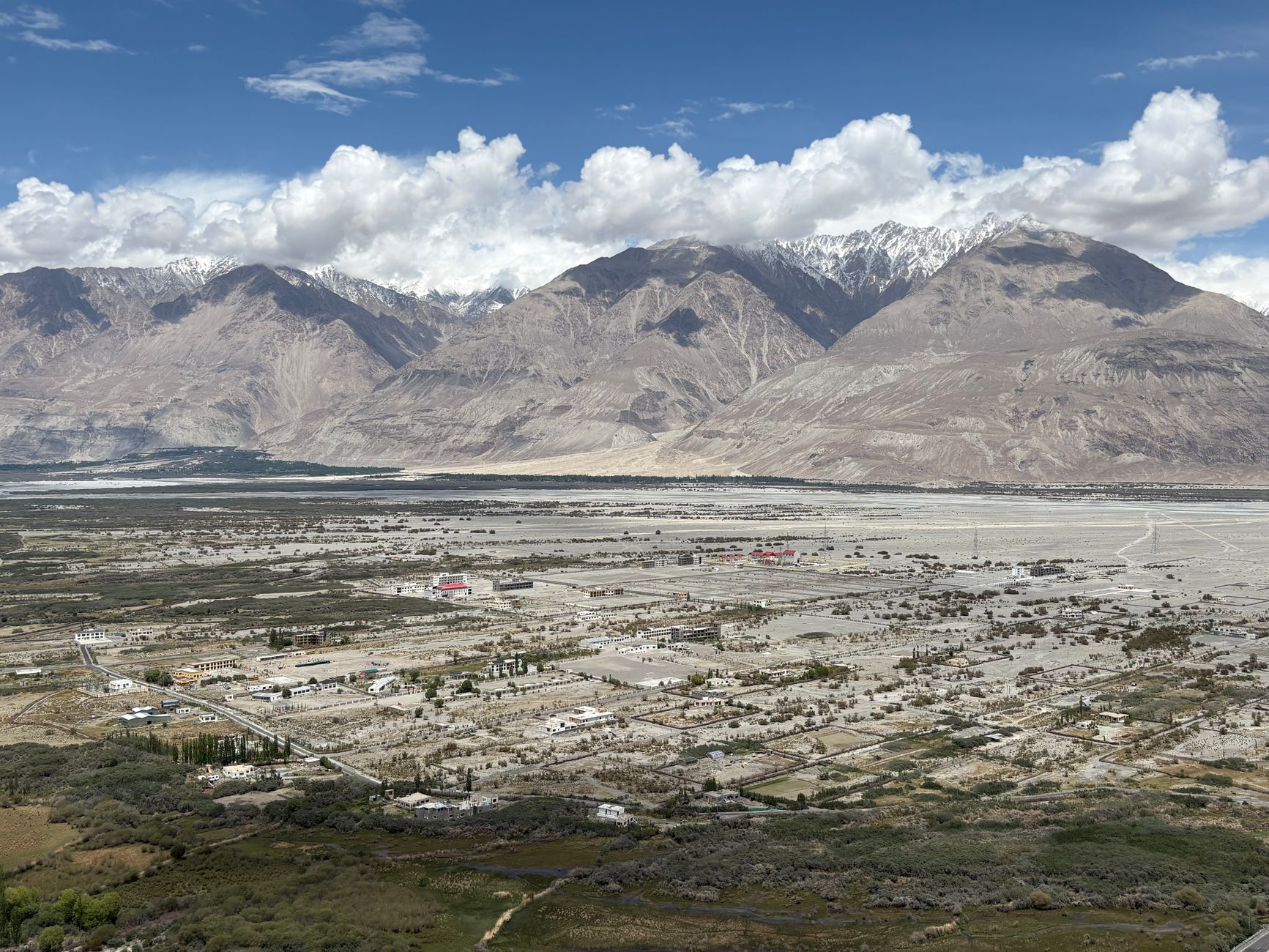
The Siang Dam project is under consideration in India as a strategic move to counter China’s ongoing infrastructure developments. This initiative could reshape regional dynamics and energy production.
Overview of the Siang Dam Project
The Siang Dam project has emerged as a pivotal initiative for India, aiming to harness the potential of the Siang River while addressing pressing energy needs. This ambitious project envisions the construction of an 11.2 GW hydroelectric plant, which promises to significantly bolster India’s renewable energy portfolio. By tapping into the river’s flow, the project not only seeks to generate electricity but also aims to enhance water management in the region.
In light of increasing challenges posed by neighboring countries, particularly China, the Siang Dam project is viewed as a strategic move to strengthen India’s energy security. The project is expected to play a crucial role in reducing dependency on fossil fuels and mitigating the impact of climate change.
Key features of the Siang Dam project include:
- Hydropower Generation: An estimated capacity of 11.2 GW will make it one of the largest hydroelectric projects in India.
- Environmental Benefits: Increased use of renewable energy sources will help in reducing greenhouse gas emissions.
- Economic Growth: The project is anticipated to create jobs and stimulate local economies through infrastructure development.
As discussions surrounding the project continue, its successful implementation could set a precedent for future renewable energy endeavors in India.
Impact on India-China Relations
The Siang Dam project is poised to significantly influence the ongoing dynamics between India and China. As India moves forward with this ambitious initiative, it not only aims to harness the river’s potential for energy generation but also seeks to assert its presence in the region. The dam, with an expected capacity of 11.2 GW, is seen as a strategic response to China’s increasing influence in the northeastern part of the subcontinent.
Experts suggest that the construction of the Siang Dam could serve as a countermeasure to China’s investment in hydropower projects along the Brahmaputra River. This river, known as the Yarlung Tsangpo in Tibet, is vital for both nations, making the Siang Dam a focal point of geopolitical interest.
- Energy Security: The dam is expected to bolster India’s energy security, reducing dependence on fossil fuels.
- Regional Influence: By investing in infrastructure, India aims to strengthen its influence in the region and counterbalance China’s reach.
- Environmental Concerns: The project may also raise environmental concerns, which could affect diplomatic relations if not addressed properly.
Ultimately, the Siang Dam project not only signifies a step towards energy independence but also a strategic maneuver in the complex tapestry of India-China relations.
Benefits of Hydropower in India
The Siang Dam project presents numerous benefits that could significantly impact India’s energy landscape and environmental sustainability. As the country grapples with increasing energy demands, hydropower emerges as a reliable and renewable source of electricity. The following points highlight the advantages of investing in hydropower, particularly through initiatives like the Siang Dam project:
- Renewable Energy Source: Hydropower is a clean energy source that harnesses the power of flowing water, reducing reliance on fossil fuels and decreasing greenhouse gas emissions.
- Energy Security: By developing the Siang Dam project, India can enhance its energy security and reduce vulnerability to external energy supply disruptions.
- Job Creation: The construction and maintenance of the dam will create numerous job opportunities, contributing to local economic growth and development.
- Flood Control: The dam will help manage river flow, mitigating the risk of floods in downstream areas, thus protecting livelihoods and infrastructure.
- Water Supply: The project can also facilitate water supply for irrigation, supporting agricultural activities in the region and improving food security.
In conclusion, the Siang Dam project not only aims to bolster India’s energy portfolio but also addresses several critical issues, making it a promising venture for the nation’s future.
Challenges Facing the Project
The Siang Dam project, while promising significant benefits, faces several challenges that could impede its progress. These hurdles must be addressed to ensure the successful implementation of the initiative.
- Environmental Concerns: The construction of the Siang Dam could potentially disrupt local ecosystems. Environmentalists warn that the alteration of river flows may threaten biodiversity and affect the livelihoods of communities dependent on fishing and agriculture.
- Displacement of Communities: The dam’s construction may necessitate the relocation of numerous families living in the area. This raises ethical questions about how to adequately compensate and resettle those affected, ensuring their rights and cultural heritage are preserved.
- Geopolitical Tensions: Given the ongoing tensions with China, the Siang Dam project could provoke objections from neighboring countries. The potential for diplomatic fallout necessitates careful navigation of international relations, particularly concerning water rights and shared resources.
- Funding and Investment: Securing adequate funding for such a large-scale project remains a critical challenge. Investors may be wary of the financial risks associated with large infrastructure projects, especially in politically sensitive regions.
Addressing these challenges will be vital for the Siang Dam project to achieve its goals and contribute to India’s energy needs.
Environmental Concerns with Dam Construction
The Siang Dam project, while promising significant benefits, raises several environmental concerns that must be addressed before proceeding. Dams can significantly alter local ecosystems and impact the diverse flora and fauna that depend on natural river systems.
Some of the key environmental issues associated with the construction of the Siang Dam include:
- Habitat Disruption: The dam’s construction may lead to the flooding of vast areas, affecting the habitats of various species, including endangered ones.
- Water Quality: Changes in water flow can result in sedimentation and affect the river’s water quality, impacting both aquatic life and local communities that rely on the river for drinking water.
- Displacement of Communities: The project may require the relocation of local populations, disrupting their livelihoods and cultural ties to the land.
- Seismic Activity: Given the region’s geological characteristics, there are concerns that the dam could trigger seismic events, posing additional risks to the environment and surrounding communities.
It is essential for policymakers to weigh these environmental concerns against the potential benefits of the Siang Dam project. Sustainable practices and thorough environmental assessments will be crucial in mitigating the ecological impact while pursuing hydropower development in India.
Economic Implications of the Siang Dam
The economic implications of the Siang Dam project extend beyond mere energy production, influencing regional development and national strategies. This ambitious initiative is expected to generate approximately 11.2 GW of hydropower, significantly contributing to India’s energy security and reducing reliance on fossil fuels.
Moreover, the project could lead to substantial job creation in the region, with thousands of positions in construction, maintenance, and operation. Local businesses may also experience a boost as infrastructure development necessitates materials and services. The increased energy capacity is likely to attract industries to the area, promoting economic diversification.
However, the project is not without its financial challenges. Initial investment costs are high, and securing funding from both public and private sectors will be crucial. Additionally, the long-term sustainability of the project will depend on effective management and environmental considerations, which may impact its economic viability.
In a broader context, the Siang Dam project positions India to better compete in the regional energy landscape, particularly against China’s growing influence in South Asia. By advancing this project, India can enhance its energy independence while simultaneously fostering economic growth, making it a strategic move for the nation’s future.
- Job creation potential
- Increased energy security
- Economic diversification opportunities
Technological Innovations in Dam Building
The Siang Dam project is poised to leverage cutting-edge technological innovations that could redefine the landscape of dam construction in India. These advancements not only promise to enhance the efficiency and safety of the project but also aim to address many of the concerns raised by environmentalists and local communities.
Among the notable innovations are:
- Smart Monitoring Systems: Integration of real-time data collection and analytics allows engineers to monitor structural integrity and environmental impacts, ensuring that any potential issues are addressed promptly.
- Eco-Friendly Materials: The use of sustainable and locally sourced materials minimizes the carbon footprint of the construction process, aligning with global efforts to combat climate change.
- Advanced Hydrological Modeling: Utilizing sophisticated simulations enhances the understanding of water flow and sediment transport, which is critical for optimizing dam design and operation.
- Automated Construction Techniques: Robotics and automation not only improve precision but also increase safety for workers on-site, reducing the risk of accidents during construction.
By adopting these technological innovations, the Siang Dam project could set a new benchmark for future infrastructure developments in India, ensuring that it meets both energy demands and ecological responsibilities.
Future Prospects for India’s Infrastructure
The Siang Dam project holds significant promise for India’s infrastructure development, presenting a strategic opportunity to bolster the nation’s energy security and economic growth. As India seeks to enhance its renewable energy capacity, the Siang Dam stands out as a pivotal venture, capable of generating approximately 11.2 GW of hydropower. This ambitious initiative not only aims to meet the increasing demand for electricity but also acts as a countermeasure to regional developments, particularly in light of China’s aggressive infrastructure projects.
Looking ahead, the successful implementation of the Siang Dam project could serve as a model for future infrastructural endeavors across India. By leveraging advanced technologies and sustainable practices, the project can inspire similar initiatives aimed at addressing the challenges of climate change and energy scarcity. Furthermore, the integration of smart grid technology could optimize energy distribution, ensuring efficiency and reliability.
However, for the Siang Dam project to reach its full potential, a collaborative approach involving local communities, environmental experts, and government agencies is essential. Engaging stakeholders early in the process will foster transparency and minimize opposition, ultimately leading to a successful outcome. Overall, the future prospects of India’s infrastructure rely heavily on strategic projects like the Siang Dam, which not only promise economic benefits but also contribute to national resilience and sustainability.