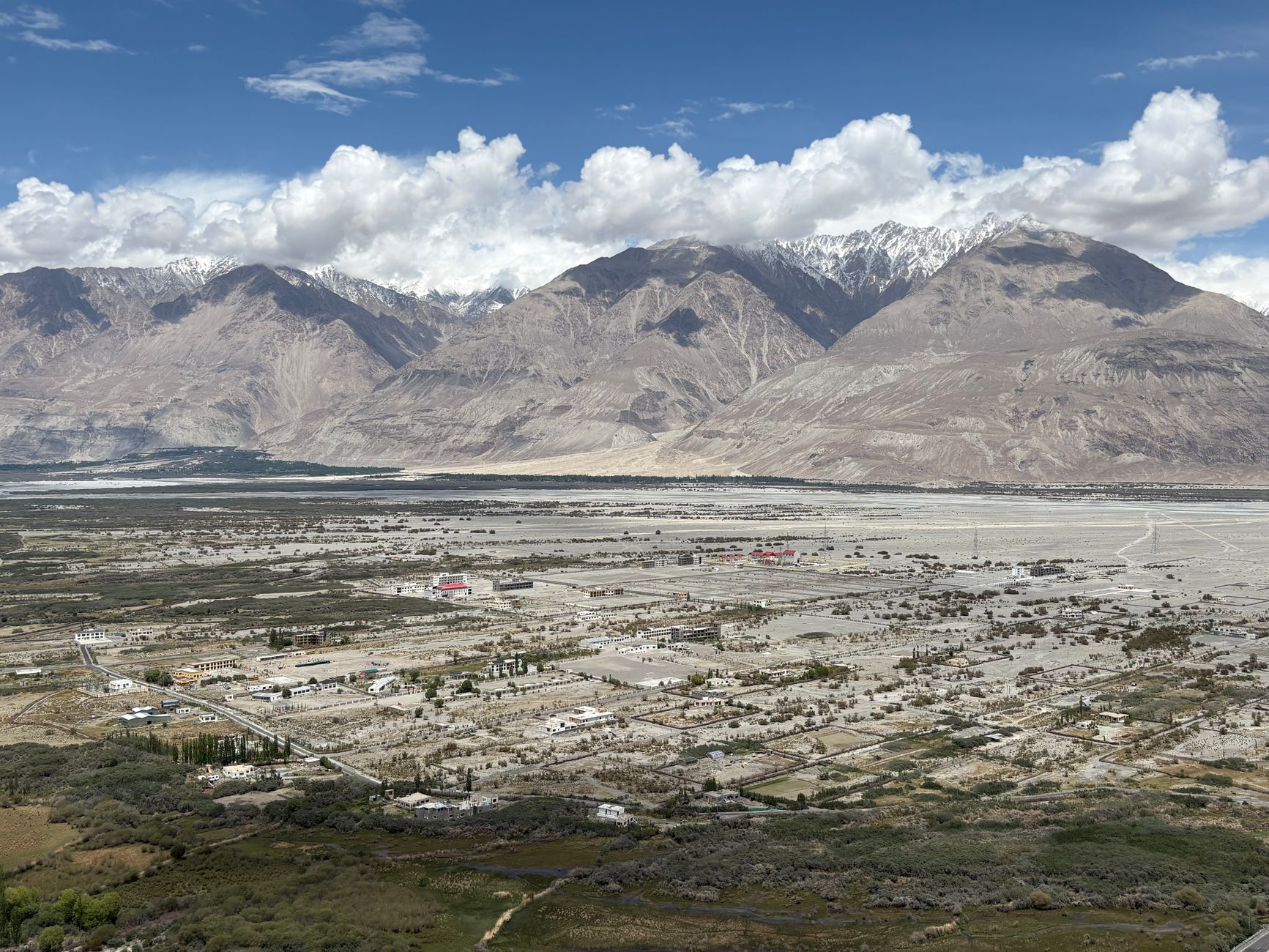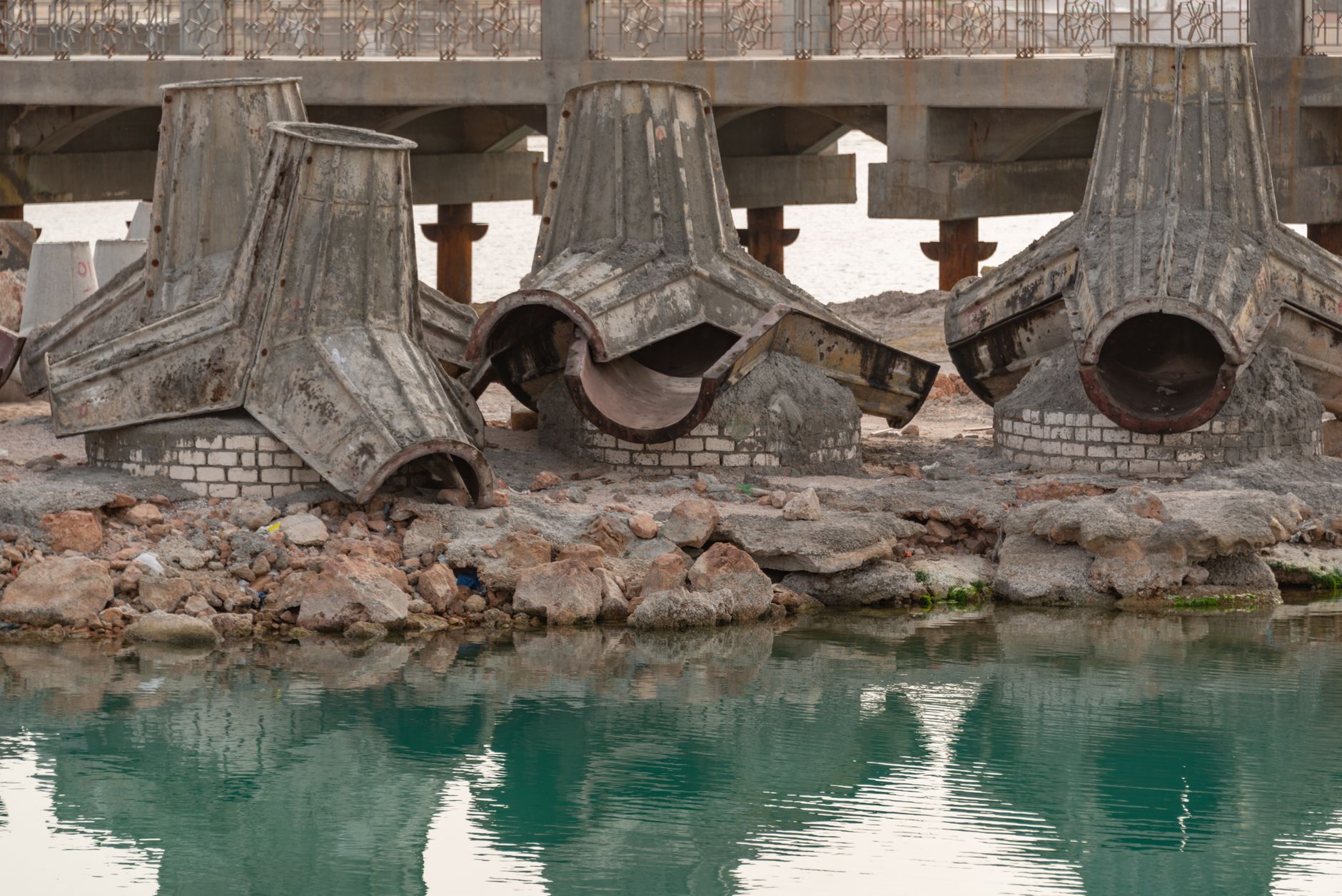
Water infrastructure projects are becoming increasingly important as Om Infra targets this sector. The focus on innovative solutions like pumped storage is set to transform the landscape.
Overview of Water Infrastructure Projects
Water infrastructure projects play a crucial role in ensuring the sustainable management and distribution of water resources. These projects encompass a wide range of initiatives, from constructing dams and reservoirs to upgrading aging pipelines and developing advanced water treatment facilities. As the demand for clean and reliable water continues to grow, investing in modern water infrastructure is more important than ever.
One of the key components of effective water infrastructure is the integration of innovative technologies that enhance efficiency and reduce environmental impact. These advancements allow for improved monitoring and management of water systems, enabling cities and communities to respond swiftly to challenges such as droughts and flooding.
Moreover, public-private partnerships are increasingly seen as viable strategies to finance and implement large-scale water infrastructure projects. By collaborating with private entities, governments can leverage additional resources and expertise, ensuring that projects are completed on time and within budget.
In addition to traditional projects, there is a growing emphasis on sustainable practices, such as rainwater harvesting and recycling wastewater. These methods not only contribute to water conservation but also help in mitigating the effects of climate change.
Overall, the future of water infrastructure projects lies in embracing innovation, collaboration, and sustainability, paving the way for resilient water systems that can meet the needs of future generations.
Importance of Pumped Storage Solutions
The significance of pumped storage solutions in water infrastructure projects cannot be overstated. These innovative systems play a crucial role in energy management and water supply, particularly as demand for reliable water resources increases globally.
Pumped storage facilities operate by moving water between two reservoirs at different elevations. During periods of low demand, excess energy is used to pump water to the upper reservoir. When energy demands peak, the stored water is released to generate electricity, thus providing a dual function of energy generation and water storage.
Key benefits of implementing pumped storage solutions include:
- Enhanced Reliability: These systems ensure a stable supply of water by balancing the fluctuations in demand and supply effectively.
- Energy Efficiency: Pumped storage can significantly reduce energy costs by using off-peak electricity to move water, which helps in optimizing operational efficiency.
- Environmental Benefits: Utilizing renewable energy sources for pumping water contributes to a reduction in carbon footprint, supporting sustainability goals.
- Increased Capacity: By integrating pumped storage solutions into existing water infrastructure projects, communities can enhance their capacity to manage both water and energy more efficiently.
As industry leaders focus on innovative approaches, the adoption of pumped storage solutions will undoubtedly be a transformative element in advancing water infrastructure projects for future generations.
Om Infra’s Strategic Focus
Om Infra has established a strategic focus on enhancing water infrastructure projects, particularly in the realm of pumped storage solutions. This initiative is a response to the growing demand for sustainable water management systems that can effectively handle fluctuating water supply and demand. The company aims to leverage its expertise to improve the reliability and efficiency of water distribution networks.
To achieve these objectives, Om Infra is adopting several key strategies:
- Investment in Technology: By integrating advanced technologies, Om Infra seeks to optimize the performance of existing water infrastructure while also reducing operational costs.
- Collaboration with Local Governments: Partnering with municipal authorities enables the company to align its projects with community needs, ensuring that water infrastructure developments are both practical and beneficial to local populations.
- Focus on Sustainability: Om Infra is committed to sustainable practices, prioritizing environmentally friendly solutions that minimize ecological impact while maximizing resource efficiency.
- Research and Development: Continuous investment in R&D allows Om Infra to stay at the forefront of innovation in water management, exploring new methodologies and techniques to enhance project outcomes.
Through these strategies, Om Infra is not only poised to make significant contributions to water infrastructure projects but is also setting a benchmark for the industry, paving the way for more resilient and efficient water systems in the future.
Challenges in Water Infrastructure Development
The development of water infrastructure projects faces a multitude of challenges that can hinder progress and efficiency. Understanding these obstacles is crucial for stakeholders aiming to enhance water management systems.
Among the primary challenges are:
- Funding Limitations: Securing adequate financing remains a critical hurdle. Many projects require substantial investment, but budget constraints often lead to delays or cancellations.
- Regulatory Hurdles: Navigating the complex web of regulations and permitting processes can slow down project timelines. Compliance with local, state, and federal guidelines is essential but can be cumbersome.
- Technological Integration: The incorporation of modern technologies into existing systems poses challenges. Upgrading older infrastructure to accommodate new innovations requires careful planning and execution.
- Environmental Concerns: Water infrastructure projects must address environmental impact assessments, which can lead to public opposition and lengthy approval processes.
- Climate Change Resilience: As climate change continues to affect water availability, infrastructure must be designed to withstand extreme weather events, adding complexity to project planning.
Despite these challenges, successful water infrastructure projects are possible through strategic planning and collaboration among industry stakeholders, paving the way for sustainable solutions in the water sector.
Future Trends in Infrastructure Projects
The future of water infrastructure projects is increasingly leaning towards innovative technologies and sustainable practices. As climate change continues to impact water availability and quality, there is a growing demand for resilient infrastructure that can withstand extreme weather conditions.
One significant trend is the integration of smart technologies in water management systems. These systems utilize IoT devices to monitor water usage, detect leaks, and optimize distribution, ultimately leading to enhanced efficiency and reduced waste. Additionally, the use of artificial intelligence in predictive maintenance allows for timely repairs and lowers operational costs.
Furthermore, there is a shift towards decentralized water solutions, which empower communities to manage their own water resources. This approach not only reduces the burden on centralized systems but also fosters a sense of local stewardship and responsibility.
Another trend is the emphasis on green infrastructure, which integrates natural processes into urban planning. Techniques such as rain gardens, green roofs, and permeable pavements enhance stormwater management while promoting biodiversity.
Furthermore, public-private partnerships are becoming more prevalent in funding and implementing water infrastructure projects. These collaborations leverage the strengths of both sectors, facilitating innovation and improving project outcomes.
As stakeholders align their efforts towards sustainability, the future of water infrastructure projects looks promising, paving the way for resilient and efficient systems that meet the needs of growing populations.
Photo by Diego F. Parra on Pexels