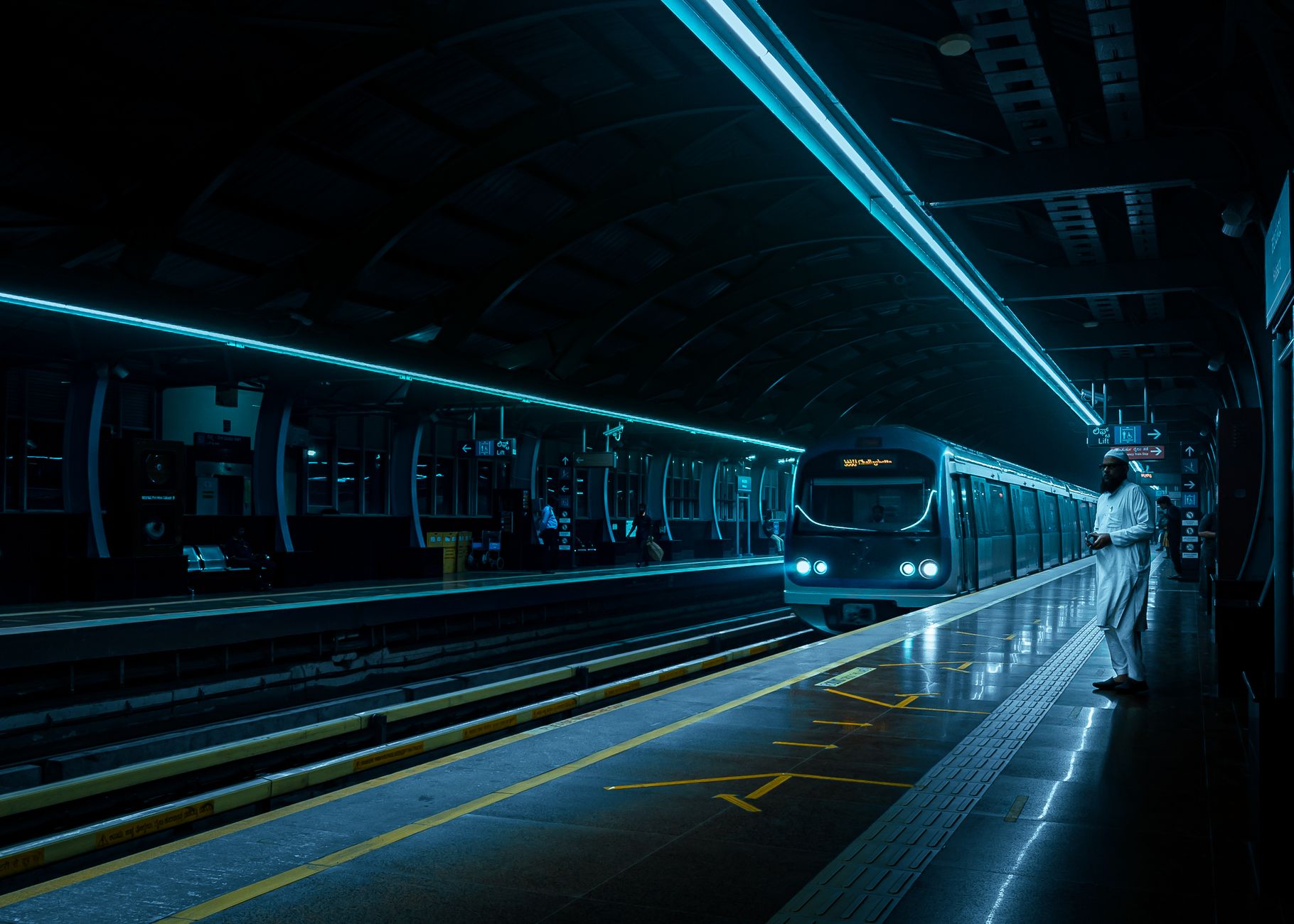
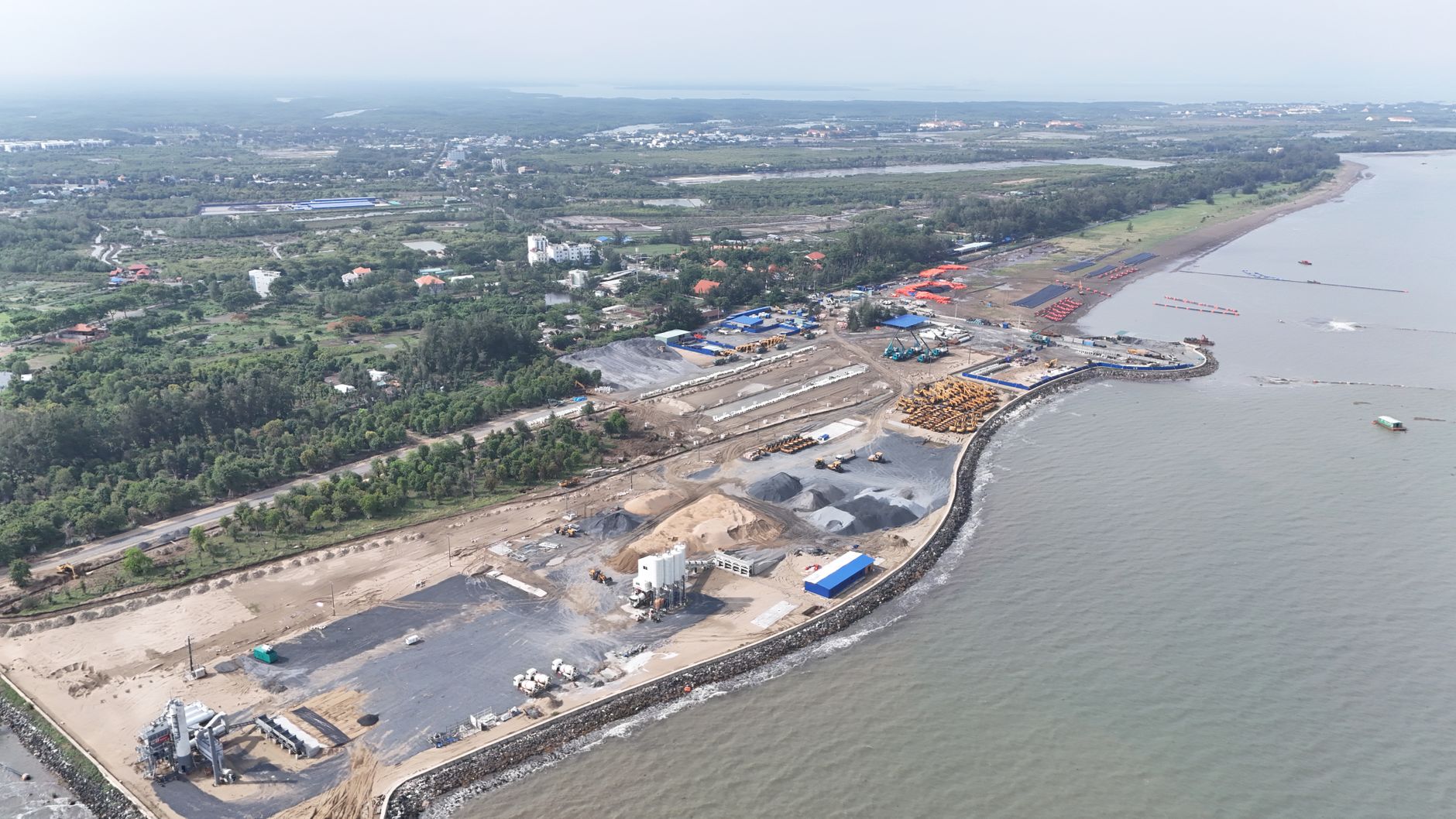
Elevated corridors Varanasi will transform the city’s infrastructure by providing a seamless connection along the Ganga and Varuna rivers.
Overview of the Elevated Corridors Project
The Elevated Corridors Project in Varanasi aims to significantly enhance the city’s connectivity by constructing a network of 89-km long elevated corridors along the banks of the Ganga and Varuna rivers. This ambitious initiative is designed to address the growing traffic congestion and improve the overall transportation infrastructure in the region.
Key features of the elevated corridors include:
- Increased Accessibility: The corridors will facilitate smoother transit between various parts of the city, reducing travel time for residents and visitors alike.
- Environmental Considerations: By alleviating ground-level traffic, the project aims to minimize air pollution and protect the scenic beauty of Varanasi’s riverbanks.
- Economic Growth: Enhanced connectivity is expected to stimulate local businesses and tourism, contributing to the overall economic development of the area.
As Varanasi embraces modern infrastructure solutions, the elevated corridors are projected to play a pivotal role in shaping the city’s future, making it a vital aspect of urban planning.
Impact on Local Traffic
The introduction of elevated corridors in Varanasi promises to significantly impact local traffic patterns. As the city grapples with increasing congestion, these structures aim to provide a seamless flow of vehicles, reducing travel times and enhancing overall mobility.
One of the key benefits of the elevated corridors is their potential to:
- Reduce congestion: By allowing vehicles to bypass crowded areas, these corridors can alleviate pressure on existing roads.
- Enhance safety: Elevated structures may decrease the likelihood of accidents as they separate different modes of transport.
- Improve air quality: With less idling in traffic, emissions can be reduced, contributing to a cleaner environment.
However, the implementation of elevated corridors in Varanasi is not without challenges. Concerns regarding the displacement of local communities and the aesthetic impact on the city’s heritage are already being raised. Striking a balance between modern infrastructure and preserving the city’s cultural identity will be crucial moving forward.
Benefits for Tourists and Residents
The introduction of elevated corridors in Varanasi promises significant benefits for both tourists and residents. These corridors aim to enhance connectivity across the city, making it easier for visitors to explore historical landmarks and cultural sites. With reduced traffic congestion, tourists can enjoy a more pleasant experience while navigating through Varanasi.
For residents, elevated corridors offer a range of advantages:
- Improved Access: The new routes will provide quicker access to essential services, markets, and recreational areas.
- Enhanced Safety: With dedicated pathways for vehicles, the risk of accidents at busy intersections will be minimized.
- Environmental Benefits: By reducing traffic congestion, these corridors could lead to lower emissions and improved air quality.
- Increased Economic Opportunities: Better connectivity may attract more businesses and investments to the area, benefiting local economies.
Overall, the elevated corridors in Varanasi are set to transform the city’s infrastructure, making it more accessible and enjoyable for everyone.
Project Timeline and Implementation
The project timeline for the elevated corridors in Varanasi has been meticulously planned to ensure timely implementation. The initial phase is set to commence in early 2024, focusing on the most congested areas along the routes parallel to the Rivers Ganga and Varuna. Key milestones have been established to facilitate the progress of construction, which is expected to span approximately three years.
During the first year, groundwork and foundation laying will take precedence. Following this, the construction of the elevated structures will take place, aiming for completion by the end of 2026. The overall aim is to have the entire 89-km network of elevated corridors operational by mid-2027.
To ensure the project meets its deadlines, regular assessments and community engagement are planned. Stakeholders, including local residents and businesses, will receive updates throughout the process. This transparent approach is intended to address concerns and maintain public support for the elevated corridors in Varanasi, which are seen as a vital solution for improving connectivity in the city.
Funding and Budget Allocations
The funding and budget allocations for the elevated corridors in Varanasi have raised significant interest among stakeholders and residents alike. The estimated cost for the 89-km elevated corridors project, which aims to enhance connectivity along the Rivers Ganga and Varuna, is projected to be substantial.
Officials have confirmed that a combination of state and central government funding, along with potential private investments, will support the initiative. Key points regarding the budget include:
- Government Commitment: The government has pledged a significant portion of its budget to ensure the timely completion of the project.
- Revenue Generation: Proposals include generating revenue through tolls and advertisements on the elevated corridors.
- Public-Private Partnerships: Engaging private players may bring in additional resources and expertise.
Despite the financial challenges, proponents argue that the elevated corridors in Varanasi will ultimately lead to better economic growth and improved infrastructure, benefiting the city in the long run.
Environmental Considerations
As Varanasi embarks on the ambitious plan of constructing elevated corridors, environmental considerations have become a pivotal topic of discussion. The project aims to enhance connectivity while addressing potential ecological impacts. Local authorities emphasize the need for a careful balance between development and environmental preservation.
Key concerns include:
- Air Quality: Increased construction activity may temporarily degrade air quality, affecting health and the environment.
- Biodiversity: The elevated corridors could disrupt local wildlife habitats, particularly along the banks of the Ganga and Varuna rivers.
- Water Management: Proper drainage systems must be integrated into the design to prevent waterlogging and protect the river ecosystems.
- Community Impact: The elevated corridors in Varanasi should consider the needs and feedback of local communities to ensure sustainable integration into the urban landscape.
Ultimately, a comprehensive environmental impact assessment will be crucial to ensure that the elevated corridors project not only boosts connectivity but also safeguards Varanasi’s unique natural heritage.
Community Reactions to the Project
As the plans for the elevated corridors in Varanasi gain momentum, community reactions have been mixed. Many residents express optimism about improved connectivity, citing the potential reduction in traffic congestion as a major benefit. Supporters believe that the elevated corridors will provide a much-needed solution to the city’s transportation challenges and enhance the overall quality of life.
However, not everyone is convinced. Critics are concerned about the environmental impact and potential displacement of local businesses. Some community members worry that the construction of elevated corridors along the rivers Ganga and Varuna might disrupt the delicate ecosystem and alter the character of the historic city.
Additionally, there are apprehensions regarding the project’s funding and whether it will prioritize the needs of local residents or favor tourists. As discussions continue, stakeholders urge city planners to engage with the community to address these concerns and ensure that the elevated corridors truly serve the needs of all Varanasi inhabitants.
Future Infrastructure Plans for Varanasi
The future infrastructure plans for Varanasi are ambitious, aiming to significantly enhance connectivity in the region. The proposed elevated corridors are expected to span approximately 89 kilometers along the banks of the Ganga and Varuna rivers. This initiative not only addresses current traffic congestion but also aligns with the city’s long-term urban development goals.
In addition to the elevated corridors, officials are planning to invest in supporting infrastructure, including:
- Upgrades to existing road networks
- Improved public transportation systems
- Enhanced pedestrian pathways and cycling tracks
- Smart traffic management solutions
These complementary projects are designed to create a comprehensive transportation network that benefits both residents and visitors. Stakeholders emphasize that the integration of elevated corridors in Varanasi’s urban landscape will not only streamline travel but also promote economic growth by improving access to key areas throughout the city.
As these plans materialize, the focus remains on sustainability and community engagement to ensure that development is in harmony with Varanasi’s rich cultural heritage.
The implementation of elevated corridors in Varanasi has sparked significant debate among urban planners and residents alike. Many believe that these elevated corridors Varanasi could alleviate congestion and improve overall transportation efficiency.